

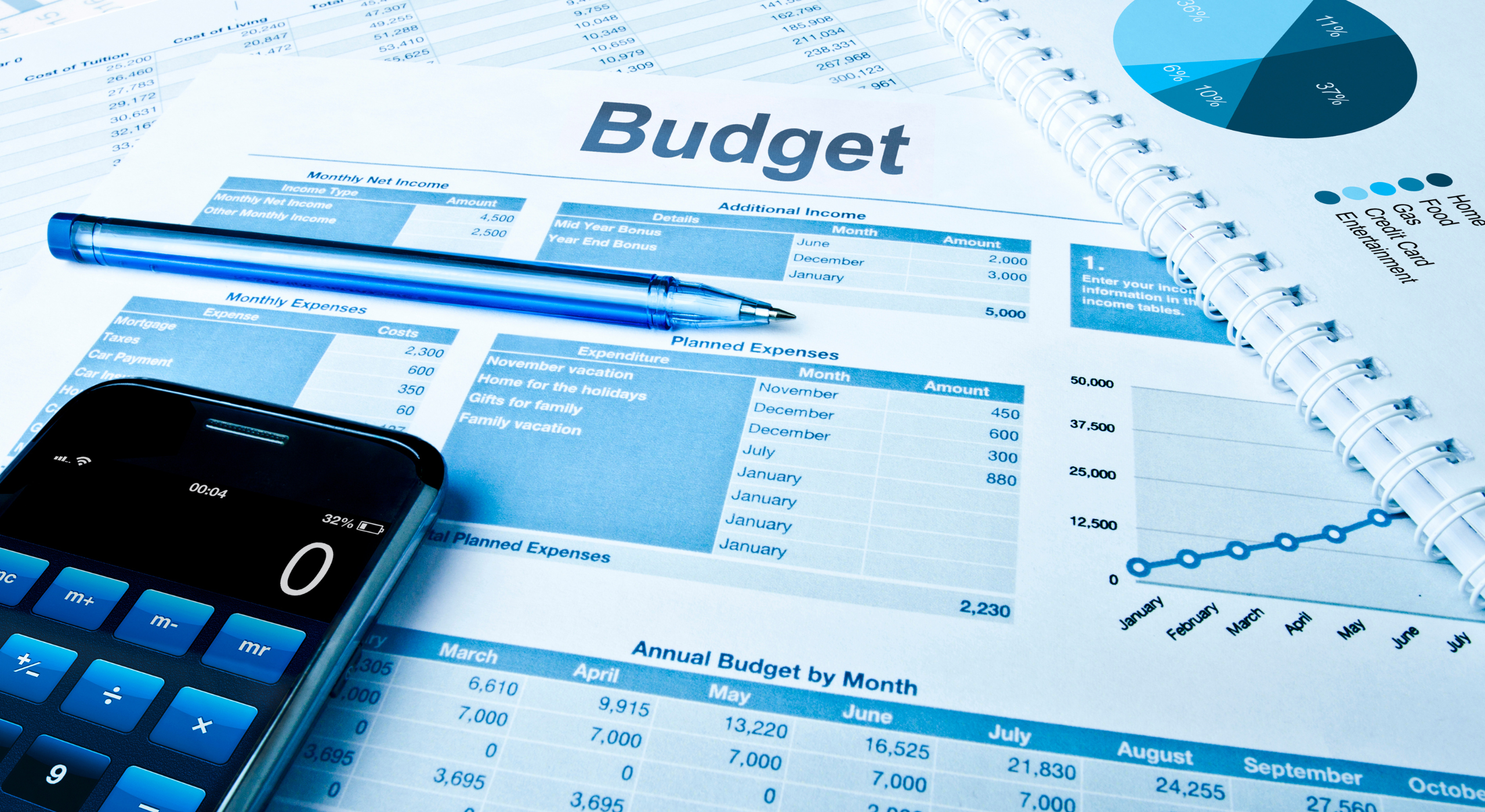
When every dollar is scrutinized and efficiency is a competitive advantage, CFOs are reimagining their budget process completely. The traditional approach (incrementally adjusting last year’s numbers) no longer works when costs are shifting monthly, not annually. Enter Zero-Based Budgeting 2.0: a modern, tech-enabled way to re-evaluate spend continuously, not just during budget season.
What’s Different This Time
Classic ZBB required painful manual reviews and endless justification meetings. The modern version uses AI-powered analytics and automation to make the process continuous and dynamic. It’s not about blanket cuts. It’s about aligning resources with priorities in real time.
What CFOs Should Be Thinking About
- Continuous Re-Evaluation: Rather than setting budgets once a year, CFOs can leverage automation to monitor actuals vs. planned spend monthly or even weekly, allowing faster course corrections.
- Performance-Linked Allocation: Use predictive models to identify which investments generate the highest ROI, and reallocate capital accordingly.
- Visibility Across Functions: Integrate finance and operational data to track how spend ties to business outcomes: marketing ROI, supply chain efficiency, and headcount productivity.
- Scenario Planning: Simulate cost structures under different revenue projections, inflation assumptions, or growth scenarios.
- Stakeholder Engagement: Successful ZBB 2.0 requires transparency and partnership with department leaders, not top-down mandates. Technology makes this collaboration easier through real-time dashboards and shared workflows.
CFOs implementing ZBB 2.0 report leaner cost structures, improved agility, and renewed trust from boards and investors. Instead of reactive cost cuts, they’re proactively optimizing spend to fund innovation and growth.
👉 Want to bring next-generation cost discipline to your organization?
Alliance’s consulting teams can help CFOs redesign budgeting frameworks, integrate automation tools, and align spend with strategic goals. Reach out today to explore how we can help you implement Zero-Based Budgeting 2.0 for sustainable growth.